
Nestled amidst the serene embrace of sacred nature, surrounded by an atmosphere of silence, purity, and divine vibrations, Tapovarishtashram stands as a timeless spiritual sanctuary dedicated to the upliftment of humanity through inner awakening, yogic discipline, meditation, and holistic well-being. Established upon the eternal foundations of Sanātana Dharma, the Ashram serves as a sacred space where ancient spiritual wisdom harmoniously meets disciplined living, guiding seekers toward peace, self-realization, and divine consciousness.
Far removed from the distractions and restlessness of worldly life, the Ashram offers a tranquil and spiritually charged environment where aspirants, devotees, and seekers from all walks of life may reconnect with their inner selves and experience the deeper essence of existence. Surrounded by the healing presence of Mother Nature, the sacred ambience of the Ashram nurtures silence, contemplation, devotion, and spiritual transformation.

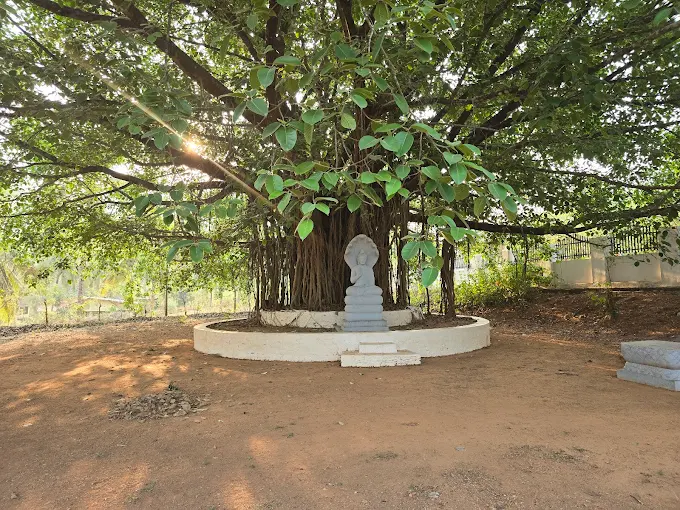
At the heart of Tapovarishtashram lies the living tradition of yogic sādhana, rooted in the sacred teachings of the Siddhas, Rishis (Ṛṣi), and enlightened masters of Bharat–India. The Ashram encourages a disciplined spiritual lifestyle centered upon meditation, Prāṇāyāma, Veda Mantra japa, selfless service, scriptural wisdom, and inner purification. Through these sacred practices, seekers are guided toward harmony of body, mind, prāṇa, and soul.
The Ashram preserves and propagates the timeless values of Sanātana Dharma — compassion, righteousness, self-discipline, devotion, simplicity, and reverence for all creation. Every aspect of life within the Ashram reflects a deep spiritual consciousness, where daily practices become pathways to divine realization and inner peace.
With a profound commitment to preserving Bharat - India’s spiritual heritage and sacred traditions, Tapovarishtashram continues to inspire humanity by creating an atmosphere where spirituality is not merely taught, but deeply experienced. It is a divine sanctuary where silence becomes meditation, breath becomes prayer, nature becomes sacred, and life itself becomes a journey toward higher consciousness and eternal truth.
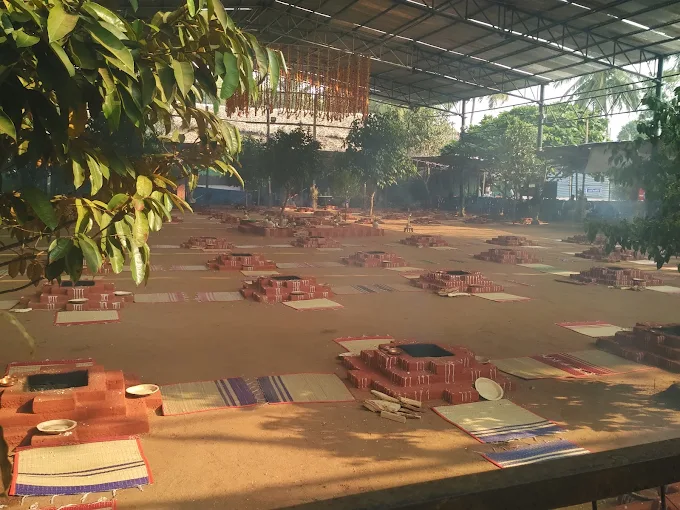
At Tapovarishtashram, Annadānam—the sacred offering of food—has been performed every single day since the very beginning of the Ashram. Rooted in the timeless Bharatiya belief that “Annam Brahma” (Food is Divine), this noble service is regarded as one of the highest forms of charity and an essential expression of Sanātana Dharma.
Prepared and offered with devotion, purity, and humility, the daily Annadānam nourishes not only the body but also the soul. It is served to all without discrimination of caste, creed, or status, reflecting the Ashram’s unwavering commitment to compassion, equality, and universal brotherhood. Every meal offered carries the spirit of Seva, transforming a simple act of feeding into a sacred ritual of love and grace.
For decades, Annadānam at Tapovarishtashram has stood as a living tradition inspired by the blessings and teachings of Rishis, Siddhas, and Saints, who proclaimed that no service is greater than relieving hunger. The continuous offering of food has brought solace, strength, and dignity to devotees, pilgrims, the needy, and all who arrive at the Ashram seeking nourishment and peace.
This uninterrupted practice of daily Annadānam is a powerful Yajna in itself—a silent prayer for the well-being of society and the harmony of the universe. Through this sacred service, Tapovarishtashram humbly fulfills its mission of serving humanity as service to the Divine, ensuring that no one who enters the Ashram leaves hungry, in body or in spirit.
Through its wide range of charitable and spiritual activities, Tapovarishtashram continues to serve society with the noble aim of uplifting humanity, preserving Dharma, and fostering a harmonious and compassionate world—where spiritual wisdom and social responsibility walk hand in hand.
Tapovarishtashram Trust stands unique as a spiritually vibrant sanctuary where the timeless wisdom of Sanātana Dharma, Siddha traditions, Vedic knowledge, Yoga, meditation, and holistic spiritual living are preserved, practiced, and shared in their authentic essence. Rooted deeply in the sacred spiritual heritage of Bharat–India, the Ashram harmoniously integrates ancient spiritual sciences with the practical needs of contemporary life, creating a rare and transformative space for seekers from all walks of life.
One of the most distinctive features of the Ashram is its dedication to preserving the ancient Guru–Śiṣya paramparā while presenting traditional teachings in a manner accessible and meaningful to modern society. Revered Gurus, Āchāryas, Siddha practitioners, and spiritual masters trained in authentic Gurukula traditions guide aspirants through experiential learning, disciplined sādhana, meditation, Prāṇāyāma, mantra japa, scriptural wisdom, and dhārmic living.
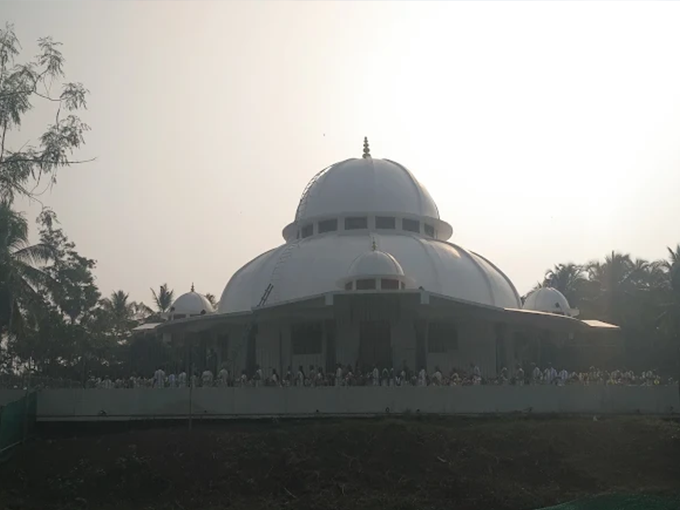
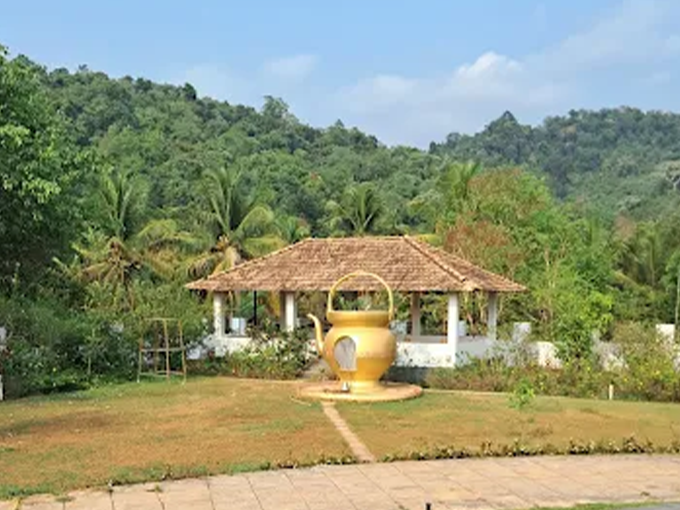
Surrounded by the serene embrace of nature, Tapovarishtashram Trust offers a spiritually charged environment where silence, sacred vibrations, and natural harmony become integral parts of spiritual practice. The Ashram is not merely a place of worship or retreat, but a living spiritual ecosystem where nature, consciousness, and divine awareness coexist in perfect balance.
The Ashram is especially known for its emphasis on:
• Prāṇāyāma Japam and breath-centered spiritual disciplines rooted in Siddha and
Yogic
traditions.
• Authentic meditation practices derived from Vedic, Yogic, and Upaniṣadic teachings.
• Preservation and propagation of Vedic culture, mantra traditions, and sacred spiritual
sciences.
• Holistic well-being through the integration of spirituality, discipline, self-awareness,
and natural living.
• Spiritual retreats and transformative programs designed to support both inner growth and
modern lifestyle balance.
Another unique aspect of the Ashram is its commitment to reviving ancient Bharatiya spiritual knowledge while ensuring its relevance in the present era. Traditional wisdom is taught not merely as philosophy, but as a living practice that nurtures peace, mental clarity, emotional balance, ethical values, and higher consciousness.
Guided by the eternal ideals of compassion, selfless service (Sevā), righteousness (Dharma), devotion (Bhakti), and spiritual discipline (Sādhanā), Tapovarishtashram continues to inspire humanity toward a life of harmony, wisdom, and divine realization.
The uniqueness of the Ashram lies in its ability to create a sacred bridge between ancient spiritual traditions and the evolving world — preserving the soul of timeless wisdom while guiding humanity toward inner transformation, universal harmony, and spiritual awakening.
Tapovarishtashram stands as a spiritual beacon dedicated to preserving and propagating the timeless wisdom of the great Siddha tradition while upholding the eternal values of Sanātana Dharma. Rooted in the sacred spiritual heritage of Bharat–India, the Ashram nurtures an authentic path of inner transformation through Prāṇāyāma, meditation, yogic discipline, mantra japa, and holistic spiritual living.
Tapovarishtashram stands as a spiritual beacon dedicated to preserving and propagating the timeless wisdom of the great Siddha tradition while upholding the eternal values of Sanātana Dharma. Rooted in the sacred spiritual heritage of Bharat–India, the Ashram nurtures an authentic path of inner transformation through Prāṇāyāma, meditation, yogic discipline, mantra japa, and holistic spiritual living.
According to ancient tradition, the Divine knowledge of Siddha wisdom originated from God Shiva, who imparted it to Goddess Devi Parvati, and was later transmitted to the great Sage Agasthyar, regarded as the founding father of Siddha philosophy and medicine. The sacred teachings were further developed and preserved by the revered Pathinēn Siddhars — the Eighteen Enlightened Siddhars — including Thirumoolar, Bogar, Kongnar, and many other realized masters who documented their wisdom in ancient Tamil palm-leaf manuscripts and spiritual literatures.
The Siddha system is founded upon the profound principle of “Āṇḍa Piṇḍa Thathuvam” — the understanding that the human body is a microcosm of the universe. It teaches that the body, mind, and cosmos are intrinsically connected through the Five Elements (Pañcabhūta) –(Aimpootham)
The Five Elements:
• Ākāśa (आकाश) — Ether/Space
• Vāyu (वायु) — Air/Wind
• Agni (अग्नि) — Fire/Light
• Ap (आपः) or Jala (जल) — Water
• Pṛthvī (पृथ्वी) or Bhūmi (भूमि) — Earth
and the Three Fundamental Energies (Mukkuttram) — Vāta, Pitta, and Kapha — which govern physical and spiritual balance.
At Tapovarishtashram, the sacred science of Prāṇāyāma has been embraced from the Siddha lineage as a transformative spiritual discipline for humanity. The Ashram teaches the ancient methods of conscious breathing, energy regulation, mantra japa, meditation, and inner purification as revealed by the great Siddhars through their yogic realizations and sacred scriptures.
Special emphasis is given to Prāṇāyāma Japam — the meditative union of breath and mantra — a subtle and powerful practice that calms the mind, awakens higher consciousness, balances vital energies, and guides seekers toward spiritual stillness and divine awareness. Through disciplined practice, aspirants are encouraged to experience harmony between body, prāṇa, mind, and soul.
The Siddha tradition also encompasses:
• Vaithiyam (Sacred Healing) – The use of herbs, minerals, and natural remedies for
holistic
well-being.
• Yogam (Yoga) – Mastery of breath, mind, and subtle energies.
• Gnānam (Spiritual Wisdom) – The pursuit of higher truth and self-realization.
• Kāyakalpa (Rejuvenation Science) – Ancient techniques for vitality, longevity, and
inner
regeneration.
Guided by the spiritual vision of preserving authentic Siddha wisdom and Sanātana Dharma, Tapovarishtashram continues to serve humanity by reviving these sacred sciences for the welfare of society, inspiring seekers to lead lives rooted in purity, balance, compassion, spiritual discipline, and divine consciousness.
Among the sacred yogic sciences practiced and taught at the Ashram, Prāṇāyāma holds a central place. Derived from the Sanskrit words Prāṇa (life force) and Āyāma (expansion or control), Prāṇāyāma is the ancient yogic discipline of conscious breath regulation that harmonizes the body, mind, and spirit. As the fourth limb of Patanjali’s Aṣṭāṅga Yoga, it serves as a powerful bridge between physical wellness and spiritual elevation.
Through sincere practice, Prāṇāyāma harmonizes the five vital energies (Pancha Prāṇas) within the human system, cultivating physical health, emotional balance, mental stillness, and spiritual awareness.
At Tapovarishtashram, these sacred practices are not merely exercises, but pathways toward inner transformation, self-realization, and divine consciousness — guiding every seeker toward a life of peace, purity, and spiritual fulfillment.
Tapovarishtashram is deeply committed to the preservation, practice, and propagation of the timeless Vedic heritage and the eternal principles of Sanātana Dharma. Rooted in the sacred spiritual traditions of Bharat–India, the Ashram serves as a center for spiritual learning, yogic discipline, Vedic wisdom, meditation, and the revival of ancient dhārmic culture for the welfare of humanity.
The Vedic tradition represents the foundational spiritual, philosophical, and cultural framework of ancient Bharatiya civilization, originating from the divine revelations contained within the four sacred Vedas — the Rigveda (Ṛgveda), Samaveda (Sāmaveda),Yajurveda, and Atharvaveda . Revered as Śruti — “that which is divinely heard” — these sacred scriptures were transmitted orally through generations of enlightened sages and gurus with extraordinary precision and spiritual discipline before being documented in written form.
At Tapovarishtashram, the Vedic tradition is regarded not merely as an ancient system of knowledge, but as a living spiritual science that guides humanity toward righteous living, inner purity, universal harmony, and divine realization.
The Ashram seeks to preserve and transmit the profound wisdom of:
• Veda — the eternal knowledge revealed to the ancient Ṛṣis.
• Mantra — sacred vibrations and divine utterances that elevate consciousness.
• Yajña — sacred fire rituals symbolizing purification, gratitude, and cosmic harmony.
• Ṛta — the universal moral and cosmic order governing existence.
• Āśrama Dharma — the spiritual stages of human life that guide disciplined living and
self-realization.
The Vedic worldview recognized the divine presence within nature and revered cosmic forces through various Devatās such as Indra, Agni, Varuṇa, and Sūrya, who symbolized the powers sustaining the universe. Sacred rituals, Yāgas and yajñas performed by Vedic sages were intended not only for material well-being but also for spiritual upliftment and the maintenance of cosmic balance.
The Ashram also preserves the deeper philosophical dimensions of the Vedic tradition
found in the sacred:
1. Saṃhitās – Hymns, prayers, and sacred chants.
2. Brāhmaṇas – Ritualistic and ceremonial commentaries.
3. Āraṇyakas – Mystical interpretations and contemplative teachings.
4. Upaniṣads – Profound spiritual revelations concerning Ātman (Self) and Brahman (Supreme
Reality).
Inspired by these eternal teachings, Tapovarishtashram Trust promotes a dhārmic lifestyle grounded in meditation, Prāṇāyāma, mantra japa, scriptural learning, self-discipline, simplicity, compassion, and spiritual awareness. The Ashram emphasizes that the Vedic wisdom is not confined to rituals alone, but is a holistic path that harmonizes the individual with nature, society, and the Divine.
With profound reverence for the sacred heritage of the Ṛṣis and Siddhas, the Ashram continues its dedicated mission of safeguarding ancient Vedic culture and transmitting this divine knowledge to society, especially to future generations, so that the eternal light of Sanātana Dharma may continue to illuminate humanity with peace, wisdom, righteousness, and spiritual awakening.
At Tapovarishtashram, the sacred teachings of the Vedas and the timeless wisdom of Sanātana Dharma are imparted through the guidance of revered Gurus, Āchāryas, and spiritual masters who have received authentic traditional knowledge from various renowned Gurukulas and spiritual institutions across Bharat–India.
The Ashram serves as a bridge between the ancient gurukula tradition and the needs of modern society, ensuring that eternal Vedic wisdom remains relevant, accessible, and practically applicable in contemporary life. Through traditional methods of teaching rooted in discipline, devotion, and experiential learning, seekers are guided in the study of Vedic philosophy, yogic sciences, meditation, Prāṇāyāma, mantra japa, spiritual ethics, and dhārmic living.
With deep reverence for the Guru–Śiṣya paramparā (teacher-disciple tradition), Tapovarishtashram preserves the authenticity of ancient spiritual knowledge while presenting it in a manner that is harmonious and compatible with the intellectual, emotional, and spiritual needs of present-day society. The Ashram’s mission is to inspire humanity to reconnect with the eternal values of wisdom, righteousness, inner discipline, and spiritual awakening through the living tradition of Vedic learning.
Daily meditation sessions and yoga classes for all levels, guided by experienced practitioners.
Regular satsangs and discourses on scriptures, philosophy, and practical spirituality.
Nutritious vegetarian meals prepared with love and served as prasad to all residents and visitors.
Meaningful service activities that allow you to contribute to the community while growing spiritually.
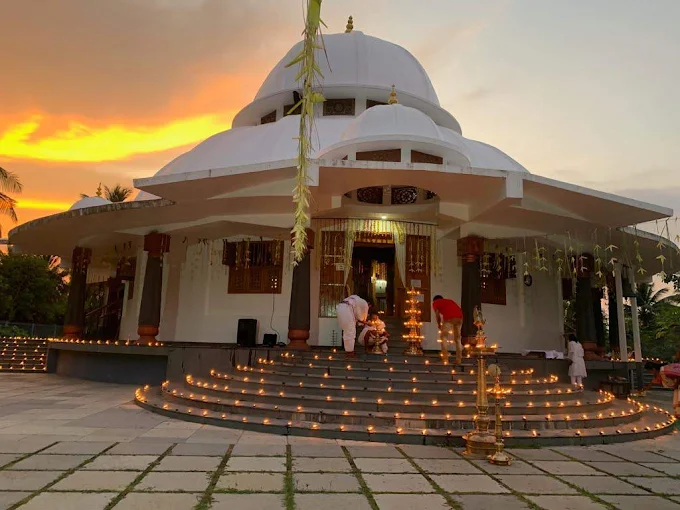
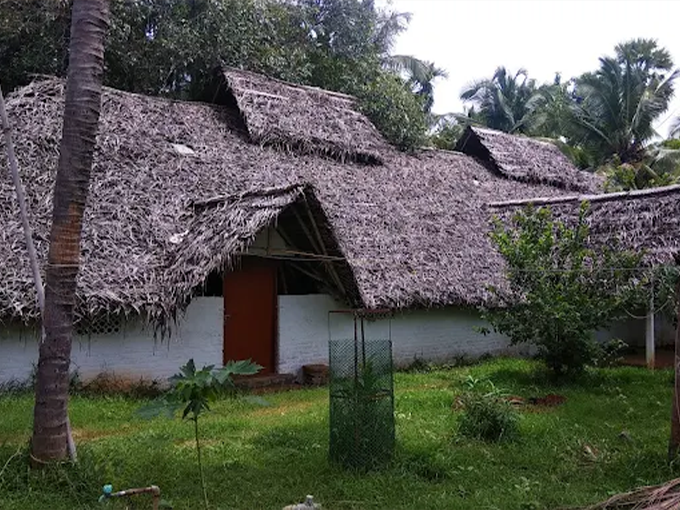
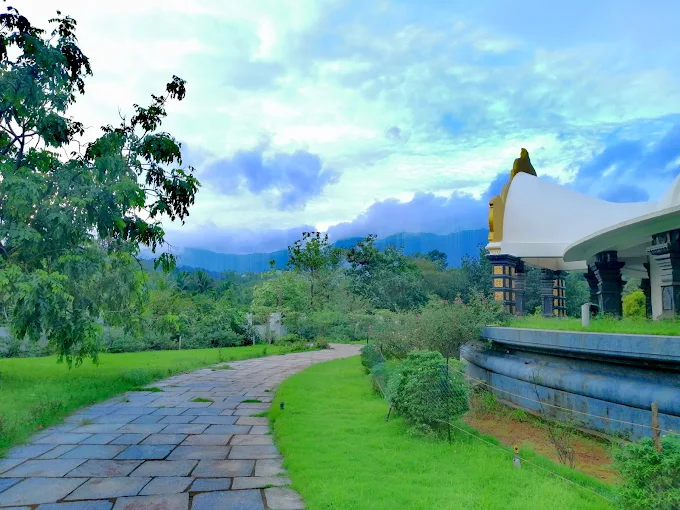
Tapovarishtashram Trust
Varishtapuri,
Vandithavalam Post,
Palakkad, Kerala,
Bharat – India - 678534
+91 91882 59510
info@tapovarishtashram.org
Advance booking recommended. Modest dress required. All visitors are expected to participate in ashram activities and maintain silence in designated areas.
Simple, clean rooms available for short and long-term stays. Donation-based accommodation for genuine seekers.
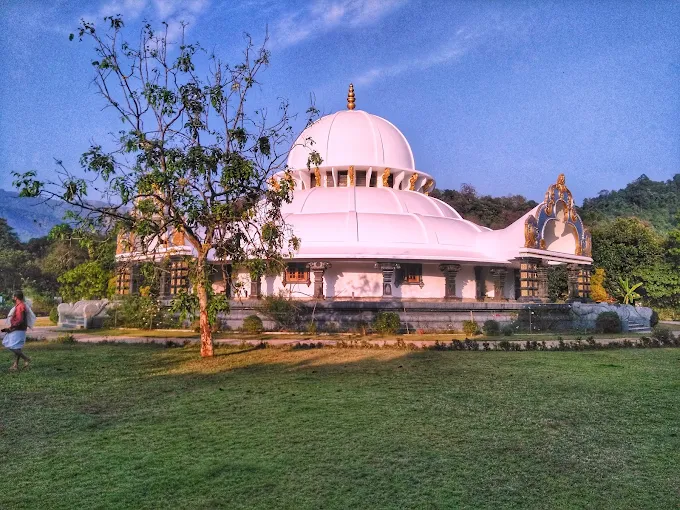
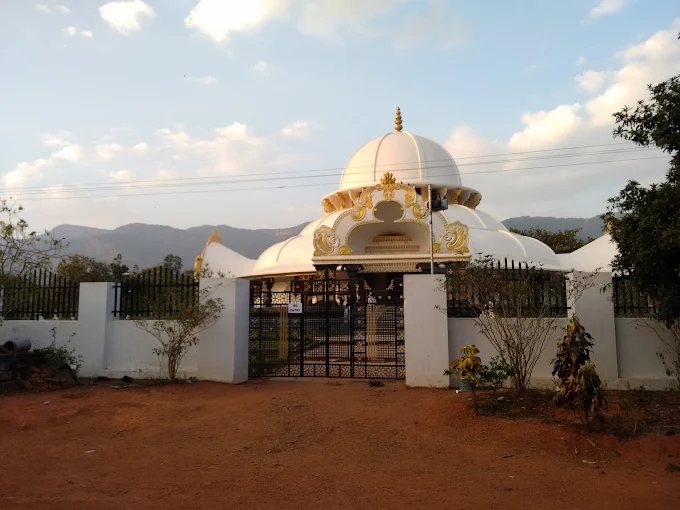
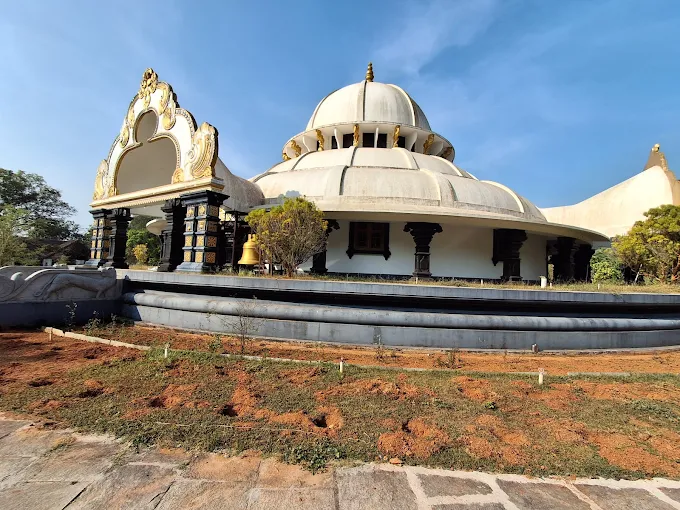
Nestled amidst the pristine beauty of the sacred Western Ghats, surrounded by lush greenery, tranquil forests, and spiritually vibrant surroundings, Dharmapeetha stands as a unique and revered spiritual complex dedicated to the preservation, practice, and propagation of the eternal principles of Sanātana Dharma.
Dharmapeetha, located in the spiritually vibrant town of Kollur in Udupi District, Karnataka, Bharat (India), stands as a revered centre dedicated to the preservation, practice, and propagation of Sanātana Dharma.
Dharmapeetha radiates an atmosphere of peace, divinity, and sacred tradition, offering seekers a profound space for spiritual awakening and inner transformation.

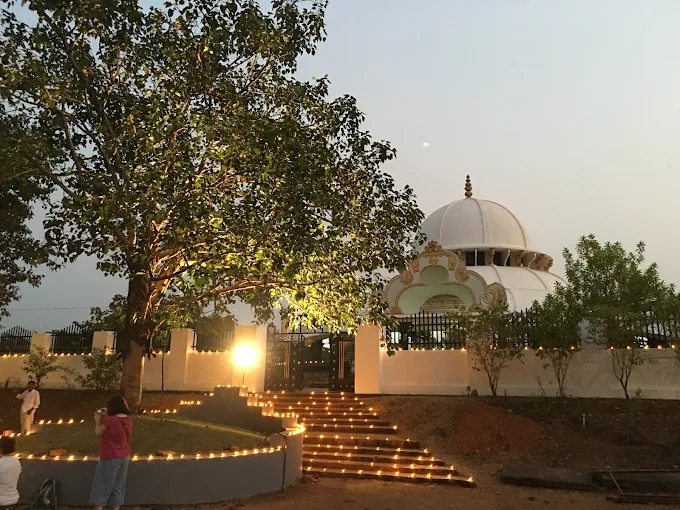
Rooted deeply in the timeless spiritual heritage of Bharat, Dharmapeetha serves as a guiding light for devotees, spiritual aspirants, scholars, and seekers who wish to immerse themselves in the wisdom of Vedic culture, yogic discipline, meditation, and dhārmic living. The institution is devoted to safeguarding and transmitting ancient spiritual knowledge through traditional teachings, sacred rituals, scriptural discourses, mantra japa, meditation practices, and various community-oriented dhārmic initiatives.
Closely associated with the sacred atmosphere of Kollur Śrī Mookāmbikā Devi Temple, Dharmapeetha provides an environment conducive to contemplation, learning, and inner transformation. It functions not only as a spiritual centre but also as a custodian of cultural heritage, inspiring generations to lead lives guided by righteousness, devotion, and service.
Dharmapeetha carries forward an atmosphere deeply charged with devotion, purity, spiritual discipline, and divine consciousness. Blessed by the spiritually vibrant energy of Kollur, a sacred land sanctified by centuries of worship and tapas, the institution radiates a profound sense of peace and sanctity, making it a revered destination for contemplation, meditation, self-discipline, prayer, and spiritual learning.
More than merely a spiritual centre, Dharmapeetha stands as a living custodian of Bharatiya spiritual and cultural heritage, preserving the timeless wisdom, sacred traditions, and dhārmic values handed down through generations of sages, Ṛṣis, Siddhas, and enlightened masters of ancient Bharat–India. Guided by the eternal ideals of righteousness, compassion, humility, devotion, and selfless service, Dharmapeetha strives to inspire humanity to lead purposeful and spiritually enriched lives rooted in dharma, harmony, and universal well-being.
Surrounded by the serene beauty of the sacred Western Ghats, the institution offers a spiritually uplifting environment where nature and spirituality coexist in divine harmony. The tranquil atmosphere, sacred vibrations of prayer and meditation, and the continuous practice of traditional spiritual disciplines create a unique sanctuary for inner transformation and higher awareness. Every aspect of Dharmapeetha reflects profound reverence for the ancient Vedic tradition, Guru–Śiṣya paramparā, and the sacred spiritual sciences preserved within the rich cultural heritage of Bharat.
Dharmapeetha serves as a guiding light for seekers, devotees, scholars, and spiritual aspirants by promoting traditional Vedic knowledge, spiritual education, ethical living, and the timeless teachings of Sanātana Dharma. Through scriptural discourses, sacred rituals, dhārmic teachings, meditation practices, and community-oriented spiritual initiatives, the institution plays a vital role in nurturing spiritual awareness while preserving the sanctity and authenticity of age-old traditions.
With unwavering dedication to preserving and propagating Bharat - India’s eternal spiritual legacy, Dharmapeetha continues to illuminate the path of wisdom, devotion, inner peace, and spiritual awakening for humanity, standing as a radiant beacon of Sanātana Dharma for present and future generations.
Meditation, known in the sacred traditions of Bharat–India as Dhyāna, is one of the most profound spiritual disciplines preserved within the Yogic and Vedic heritage of Sanātana Dharma. Since ancient times, Sages, Ṛṣis, Siddhas, and enlightened masters have practiced meditation as a sacred means for attaining inner stillness, self-realization, and union with the Supreme Consciousness. More than a technique of relaxation, meditation is regarded as a divine science that harmonizes the body, mind, prāṇa, and soul, ultimately guiding the seeker toward liberation (Mokṣa).
In the Bhāratīya - Indian spiritual tradition, meditation is rooted in the understanding that the individual self (Ātman) is intrinsically connected with the Supreme Reality (Brahman). Through disciplined practice, the restless movements of the mind are gradually calmed, allowing the practitioner to experience deeper awareness, inner peace, spiritual clarity, and divine consciousness.
In the Vedic and Upaniṣadic tradition, meditation is closely associated with Upāsanā (devotional contemplation) and Nididhyāsana (deep spiritual contemplation upon the Self). These sacred methods guide the seeker beyond intellectual understanding into direct spiritual experience.
The traditional scriptures prescribe essential disciplines for effective
meditation:
1. Āsana (Steady Posture)
Sitting in a stable and comfortable posture such as Padmāsana or Sukhāsana with the spine
erect.
2. Prāṇāyāma (Breath Regulation)
Regulating the breath to calm the mind and balance the vital energies before meditation.
3. Pratyāhāra (Withdrawal of the Senses)
Gently withdrawing attention from external distractions and directing awareness inward.
4. Inner Discipline and Devotion
Cultivating purity, consistency, concentration, humility, and spiritual aspiration.
Meditation in the Yogic and Vedic tradition is ultimately a sacred journey from external awareness to inner realization — from restlessness to stillness, from individuality to universality, and from ignorance to divine wisdom. Through sincere and disciplined practice, meditation becomes a transformative path leading toward peace, self-knowledge, spiritual awakening, and union with the eternal truth.
At Dharmapeetha, various traditional meditation methods rooted in the Yogic, Vedic, and Siddha traditions are thoughtfully imparted through specially designed spiritual retreats and guided practices for aspirants and seekers. The institution offers a sacred and tranquil environment dedicated to meditation, contemplation, self-discipline, and inner transformation, enabling individuals to experience the deeper dimensions of spiritual living amidst the serene embrace of nature.
Drawing inspiration from the timeless wisdom of the ancient Ṛṣis, Siddhas, and enlightened masters of Bharat–India, Dharmapeetha provides authentic teachings in Dhyāna, Prāṇāyāma, mantra japa, Upāsanā, Yogic meditation, breath awareness, and other sacred contemplative disciplines. These practices are carefully presented in a manner that remains faithful to traditional spiritual sciences while being harmoniously adapted to the needs and challenges of modern-day lifestyles.
The retreats conducted at Dharmapeetha are designed to help seekers attain mental calmness, emotional balance, spiritual clarity, and holistic well-being through disciplined practice, silence, prayer, meditation, and dhārmic living. The institution serves as a nurturing spiritual sanctuary where ancient wisdom becomes a practical path for inner peace, self-awareness, and divine realization.
With profound reverence for the Guru–Śiṣya paramparā (teacher-disciple tradition), and the eternal values of Sanātana Dharma, Dharmapeetha continues to preserve and propagate the sacred sciences of meditation and spiritual awakening, guiding humanity toward a life of harmony, wisdom, devotion, and higher consciousness.
Comprehensive courses in Vedic scriptures, Upanishads, Bhagavad Gita, and other foundational texts.
Systematic instruction in Sanskrit, the language of our scriptures, along with other Indian languages.
Training in classical music, dance, and other traditional art forms as spiritual practices.
Programs to train qualified teachers who can propagate spiritual knowledge with authenticity.
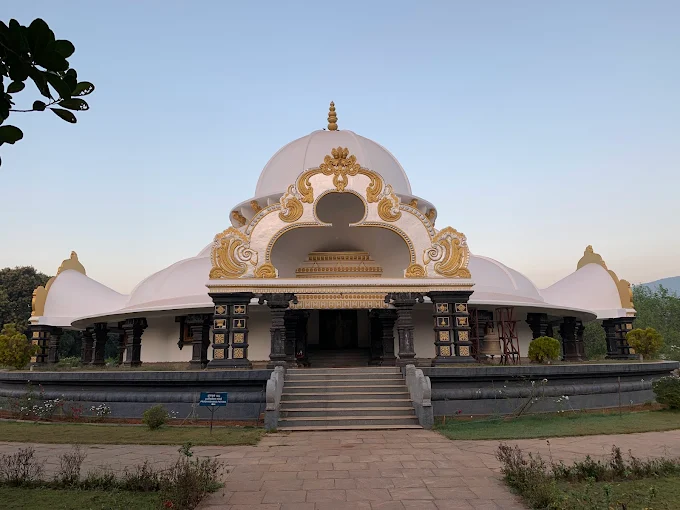
Comprehensive introduction to major scriptures, philosophy, and practices of Sanatana Dharma.
In-depth study of Upanishads, Brahma Sutras, and classical commentaries.
Intensive language training for reading and understanding original texts.
Certification program covering asanas, pranayama, meditation, and philosophy.
Chapter-by-chapter study with practical applications for modern life.
Open to sincere seekers of all backgrounds. Basic courses require no prior knowledge, while advanced programs may have specific prerequisites.
Applications are accepted year-round for most programs. Specific start dates vary by course.
Courses are offered on a donation basis. Scholarships available for deserving students based on need and merit.
Comfortable student housing available on campus for full-time students. Separate facilities for men and women.
Whether you seek a short retreat or long-term spiritual study, our ashrams offer the perfect environment for inner growth and self-discovery.